
No face. No voice. Millions of views. Faceless travel channels are quietly reshaping YouTube’s most personal genre, trading on-screen presence for voiceovers, drone footage, and AI narration. This guide defines the format, maps its dominant niches, and examines the monetization paths and ethical tensions-authenticity, copyright, platform rules-that every aspiring creator must navigate.
Defining the Faceless Travel Channel
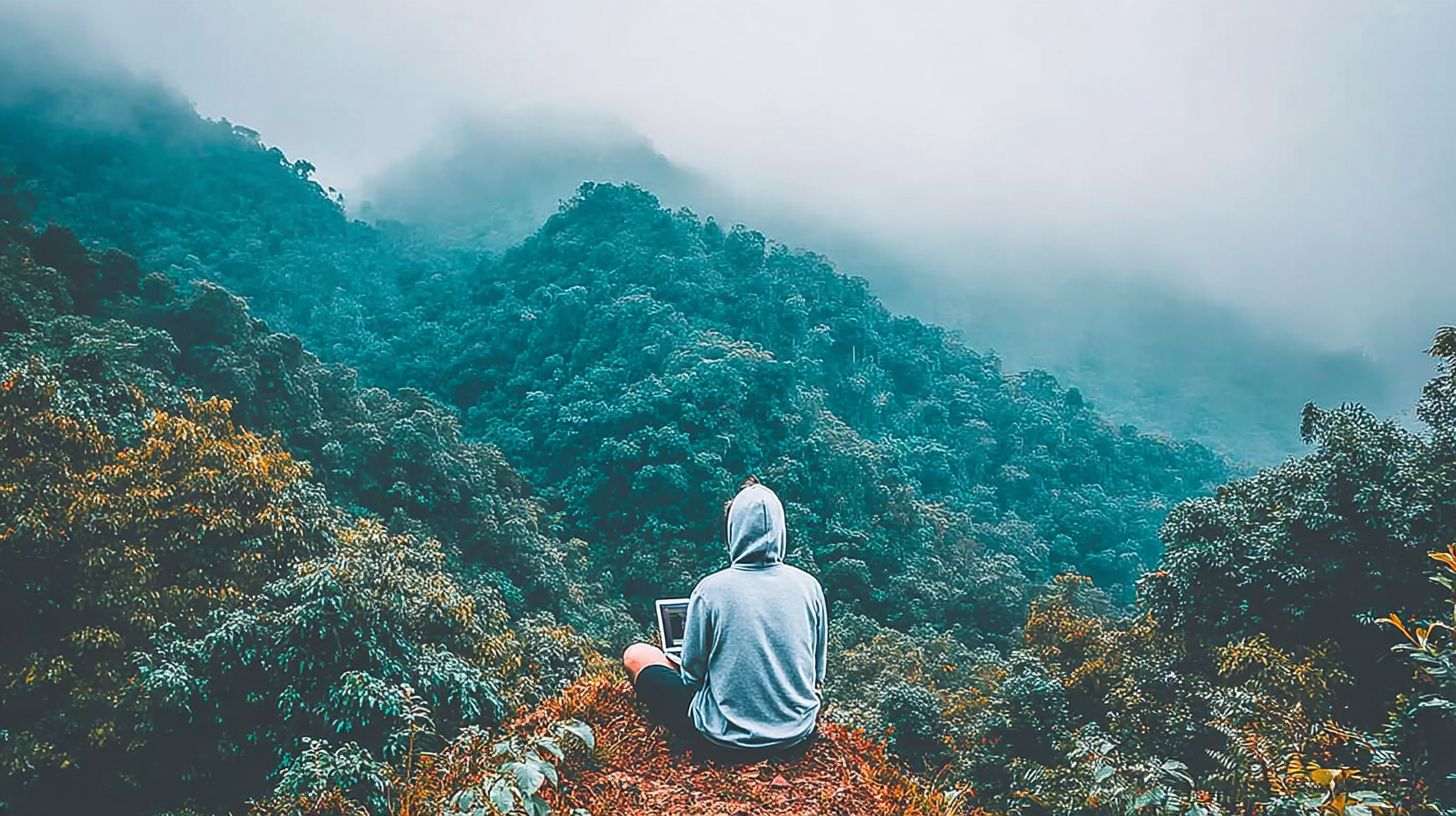
A faceless travel channel produces destination content without ever showing the creator’s face, using voiceover narration, drone footage, and stock clips to build an audience that often exceeds 100,000 subscribers.
This faceless travel channel model lets an anonymous content creator run a full travel brand from a home office. Voiceover narration, licensed stock footage, and on-screen text replace the on-camera host entirely.
Many operators treat it as a passive income system. AdSense revenue and affiliate marketing commonly push successful channels into the $2,000 to $10,000 per month range.
Core Concept and Format
A faceless travel channel combines royalty-free or licensed clips from platforms like Pexels, Storyblocks, and Artgrid with a scripted voiceover recorded by the creator or a freelance voice actor from Fiverr ($20-$100 per 300 words).
Scripts usually run 200-500 words per five-minute video. The narration can come from your own voice or a hired professional, and some creators use AI voiceover tools for speed. Visuals blend stock footage, drone videography, and walking tour POV shots, all tied together with royalty-free music.
Music options stay affordable. Epidemic Sound runs about $15 per month, while the YouTube Audio Library is free. On-screen text highlights facts, place names, and travel tips that keep viewers reading along.
A concrete example: a six-minute Tokyo night walk video built only from Pexels clips and an ElevenLabs voiceover gained 500,000 views. The creator never left home.
Editing tools keep costs low. CapCut and DaVinci Resolve are free, while Premiere Pro costs $22.99 per month for creators who want advanced control.
How It Differs from Traditional Travel Vlogging
Unlike traditional travel vlogs where creators like Kara and Nate film themselves daily, faceless channels never appear on camera and can be produced entirely from a home office using stock footage and remote freelancers.
| Factor | Traditional Travel Vlog | Faceless Travel Channel |
|---|---|---|
| On-camera presence | Host appears throughout | No on-camera host |
| Filming location | Must visit the destination | Can be produced anywhere |
| Production cost | Higher due to travel expenses | Lower, roughly $0-$500 per video |
| Privacy | Public persona required | Anonymous content creator |
| Scalability | Limited by travel schedule | Unlimited via outsourcing |
Faceless channels often target search-driven content, such as “Best things to do in Lisbon,” while vlogs lean on personality-driven subscribers. That difference shapes keyword research, thumbnail design, and video metadata strategy.
The search-first approach supports evergreen content that keeps earning AdSense revenue long after upload. A destination guide or city guide can rank for years, pulling steady watch time and click-through rate without new filming trips.
Vlogs build loyalty through the creator’s story. Faceless brands build reach through SEO titles, description tags, and consistent upload schedules instead.
Common Content Styles and Niches
Faceless travel channels typically fall into three high-performing styles: voiceover destination guides, drone cinematics, and ambient walking tours, each with different production costs and audience expectations. Your style choice shapes the equipment you buy, the hours you spend editing, and the monetization potential of each upload.
Voiceover guides average 8 to 12 minutes, a length that supports mid-roll ads. Drone films run 3 to 5 minutes for retention, while walking tours often exceed 30 minutes to build watch time. Each path rewards a different kind of anonymous content creator.
Voiceover Narration and Stock Footage

The most common faceless format pairs a 300 to 500 word script with stock clips from Pexels, Pixabay, and Storyblocks, narrated by the creator or an AI voice like ElevenLabs ($5 to $22/mo). This approach suits introvert entrepreneurs who want a repeatable production line.
Follow this numbered workflow to build each video:
- Run keyword research with TubeBuddy ($4.99/mo) or VidIQ ($7.50/mo) for terms like “things to do in Reykjavik.”
- Write the script yourself or with ChatGPT, keeping it tight and factual.
- Record the voiceover on a Blue Yeti ($99) or generate one with an AI voice tool.
- Gather 15 to 25 stock clips for every minute of finished video.
- Edit in CapCut or Premiere Pro, trimming to the beat of the narration.
- Add royalty-free music from Epidemic Sound and balance the levels.
Expect roughly 4 to 6 hours per 10-minute video once you know the workflow. The most common mistake is using clips that do not match the narration, which confuses viewers and hurts audience retention. Match every line of script to footage that shows exactly what you describe.
Drone Cinematics and Ambient Walking Tours
Drone cinematics use 4K aerial footage licensed from Artgrid ($299/yr) or Shotlist, while walking tours rely on POV footage from a GoPro ($349) or DJI Pocket 2 ($349) with ambient sound recorded on-site. Both styles thrive on visual immersion rather than commentary.
For drone work, the DJI Mini 3 ($559) is a solid beginner pick. Commercial flights in the US require FAA Part 107 certification, so check local rules before you fly. Short films of 3 to 5 minutes cut to music from Musicbed ($199/yr) tend to hold attention well.
Walking tours work differently. Aim for 30 to 60 minute videos with no music, just the ambient soundscape of the street. Channels like Nomadic Ambience have built large audiences with this scenic relaxation format, and the long runtime lets you place multiple mid-roll ads for stronger AdSense revenue.
Both styles support a clear monetization strategy. Pair longer videos with affiliate marketing for travel gear, and keep thumbnail design consistent so viewers recognize your faceless brand in suggested videos.
AI-Generated and Animated Travel Content
AI-generated travel content uses tools like Midjourney ($10/mo), Runway ML ($15/mo), and Pictory ($19/mo) to create visuals and voiceovers without any real footage, though platform policies require disclosure of synthetic media. There are three common approaches to this niche travel content.
- AI voiceover on real stock footage: Combine ElevenLabs with Pexels clips. Cost is low, and each video takes about 2 to 3 hours to assemble.
- Fully AI-generated visuals: Build scenes in Midjourney and animate them in Runway. This is the fastest route but the hardest to make believable.
- AI script plus human editing: Let AI draft the script, then edit and polish it yourself. This hybrid protects quality while saving writing time.
Be careful here. YouTube’s policy requires labeling AI-generated content, and fully automated channels often struggle with authenticity and audience engagement. Some AI travel channels have been demonetized for “repetitious content,” so treat AI as a production aid, not a replacement for a real point of view.
Why Creators Choose the Faceless Model
Creators choose faceless travel channels for two main reasons: privacy (no on-camera exposure) and scalability (outsource everything from scriptwriting to editing), with some operators running 5-10 channels simultaneously.
This model attracts a specific mix of people. Introverts enjoy building an audience without stepping in front of a lens. Digital nomads can produce destination guide content from anywhere with a laptop and Wi-Fi. Investors treat YouTube like a media business rather than a personal hobby.
Top faceless travel channels can earn $5,000 to $20,000 per month through AdSense revenue, affiliate marketing, and brand sponsorship deals. However, most start part-time, often as a side project, before scaling into a full operation.
The appeal is simple: a faceless brand removes the pressure of being the on-screen personality. Instead of a travel vlog built around one person, the channel becomes a repeatable content product. That shift is what makes privacy and scalability the two pillars of this approach.
Privacy, Anonymity, and Creative Freedom

A faceless channel lets a creator build a 100,000-subscriber audience without ever revealing their name, face, or location, which is ideal for introverts or those with privacy concerns.
The benefits go beyond staying hidden. Here are three specific advantages:
- No personal brand risk. If a niche stops performing, the creator can pivot to a new topic without backlash tied to their identity.
- Creative freedom. An anonymous content creator can cover any destination guide, from a Japan walking tour to a Patagonia road trip, without ever traveling there.
- Anonymity. A pseudonym like “Travel Unlocked” paired with a custom logo and channel branding keeps the operator fully in the background.
Consider a real example: a creator based in Ohio runs a 500K-subscriber channel about Japan using stock footage and freelance voice actors hired through Fiverr. The audience never sees a host, yet the channel delivers consistent destination content.
There is one caution worth noting. Anonymity can make brand sponsorships harder because companies want to know who they are working with. Some brands hesitate to sign deals with an operator who stays fully hidden, so creators often balance privacy with a professional media kit.
Scalability and Outsourced Production
Faceless channels scale by outsourcing scriptwriting ($20-$50 per script on Upwork), voiceover ($20-$100 on Fiverr), and editing ($50-$200 per video), allowing one operator to manage multiple channels.
Here is a realistic cost breakdown for a 10-minute video:
| Production Item | Typical Cost |
|---|---|
| Script | $30 |
| Voiceover | $50 |
| Editing | $100 |
| Stock footage (Storyblocks, $30/mo) | $30 |
| Thumbnail | $10 |
| Total per video | $220 |
Now look at the revenue side. With 500,000 views per month and a $2 RPM, AdSense revenue lands around $1,000 monthly. Subtract the $220 production cost, and profit sits near $780 per video cycle. Multiply that across several uploads, and the numbers add up.
One creator runs three channels covering Europe, Asia, and the Americas with just two freelancers, earning roughly $8,000 per month. Tools like Trello handle project management, Slack keeps communication tight, and Google Drive stores scripts, footage, and assets. This remote production setup is what turns a solo creator into a small media operation.
Monetization and Platform Strategy
A faceless travel channel can monetize through YouTube AdSense (typically $1-$5 RPM for travel), affiliate links (Booking.com, Amazon), and sponsorships ($500-$5,000 per video for 100K+ channels). These three streams form the backbone of most monetization strategy in this niche.
Travel RPMs tend to be higher in Q4, when advertisers spend more heavily on year-end campaigns. Planning your content calendar around that window can lift overall AdSense revenue without changing your upload schedule.
Repurposing content to TikTok and Instagram Reels can drive 20-30% of total revenue through creator funds and affiliate clicks. This makes cross-promotion a core part of the strategy, not an afterthought.
YouTube AdSense, Affiliates, and Sponsorships
YouTube AdSense for travel channels averages $2-$5 RPM, meaning a video with 100,000 views earns $200-$500, while affiliate links to Booking.com can add $100-$300 per 1,000 clicks. These figures vary based on audience location, season, and niche travel content focus.
| Revenue Stream | Typical Rate | Requirements |
|---|---|---|
| YouTube AdSense | $2-$5 RPM | 1,000 subscribers + 4,000 watch hours |
| Affiliate Marketing | Booking.com 4% commission, Amazon 3% | Approved affiliate accounts |
| Brand Sponsorship | $500-$5,000 per video | Media kit, 100K+ channel size |
To pitch sponsors, build a one-page media kit showing subscriber count, average views, and audience demographics. Keep it simple and visual, since brand managers skim dozens of these each week.
Travel channels often land sponsors like NordVPN, Squarespace, and Expedia. These brands fit the digital nomad and remote production audience that a faceless travel channel typically attracts.
Affiliate marketing pairs well with destination guide content, since viewers watching a city guide or hotel review are already close to a booking decision. Placing links in the description and pinned comments improves click-through rate without disrupting the viewing experience.
Repurposing Across Short-Form Platforms

Repurposing long-form travel videos into 30-60 second TikTok and Instagram Reels clips can drive 20-30% of total revenue through creator funds, affiliate links in bio, and traffic back to YouTube. This turns one cinematic travel film into several monetizable assets.
- Use Opus Clip ($9/mo) to auto-cut highlights from your long-form footage.
- Add captions with CapCut for viewers watching without sound.
- Post 3-5 shorts per week across TikTok, Reels, and YouTube Shorts.
- Include a call to action pointing viewers to the full video.
A 60-second Reel with 1M views can earn $50-$200 on the TikTok Creator Fund and drive roughly 10,000 views back to YouTube. That external traffic boosts watch time and helps with subscriber growth over time.
Pinterest works as a search engine for travel content. Pin 5-10 images per video with keyword-rich descriptions, and link each pin back to the destination guide or travel vlog.
Building an email newsletter alongside these platforms gives you a direct line to your audience, which matters for a faceless brand that relies on audience engagement rather than a personal host. Combined with blog integration, this creates multiple paths for passive income beyond any single platform.
Challenges and Ethical Considerations
Faceless travel channels face two major risks: authenticity backlash from viewers who expect real experiences, and copyright strikes from using unlicensed footage or music. These pressures shape how creators build a sustainable faceless brand.
YouTube’s 2023 policy update on “inauthentic content” led to demonetization of some AI-generated channels, signaling that platforms now scrutinize repetitive or low-effort uploads. A channel built purely on templated stock footage and generic scripts can lose AdSense revenue overnight.
Audiences are equally unforgiving. Comments like “this is just stock footage” or “you have clearly never been here” damage trust and reduce watch time. Both authenticity and licensing deserve careful attention before scaling a channel.
Authenticity Concerns and Audience Trust
Viewers often distrust faceless travel channels when they suspect the creator has never visited the destination, leading to comments like “You’ve clearly never been to Paris” and reduced engagement. That skepticism grows when narration feels disconnected from the visuals on screen.
One common problem is generic stock footage that does not match the script. A solution is to add original commentary or personal tips gathered from research, forums, and local sources. This gives each destination guide a distinct voice, even without an on-camera host.
Another issue is robotic AI voiceover. Options include ElevenLabs “Turbo” for more natural text-to-speech, or hiring a freelance voice actor on Fiverr for around $50 per project. A case study worth noting: one channel that switched from AI voice to human voice reported a 25% increase in watch time.
Finally, many anonymous creators neglect community interaction. Responding to comments and running polls in the Community tab builds audience engagement and subscriber growth. Simple gestures signal that a real person stands behind the faceless brand, which strengthens trust over time.
Copyright, Licensing, and Platform Rules
Using unlicensed footage or music can result in copyright strikes, channel termination, and legal action. Platforms like YouTube require proof of commercial licenses for stock clips and drone footage, so documentation matters as much as the content itself.
Follow this checklist to stay compliant:
- Use only royalty-free or licensed music from services such as Epidemic Sound or Artlist.
- Purchase extended licenses for stock footage used in monetized videos.
- Follow FAA Part 107 rules for commercial drone videography in the United States.
- Disclose AI-generated content as required by YouTube’s policy.
- Avoid using other creators’ footage without explicit permission.
A cautionary case: a travel channel received a $10,000 copyright claim for using a 10-second clip from a BBC documentary. Short duration offers no protection when the material is owned by someone else.
Tools like Copyscape help check written scripts for duplication, while YouTube’s Copyright Match Tool flags re-uploads of your own work. Combined with careful keyword research, video metadata, and clear sourcing habits, these practices protect both monetization strategy and long-term channel reputation.
Leave a Reply